On the
evening of June 27th, 1980, Itavia flight IH870
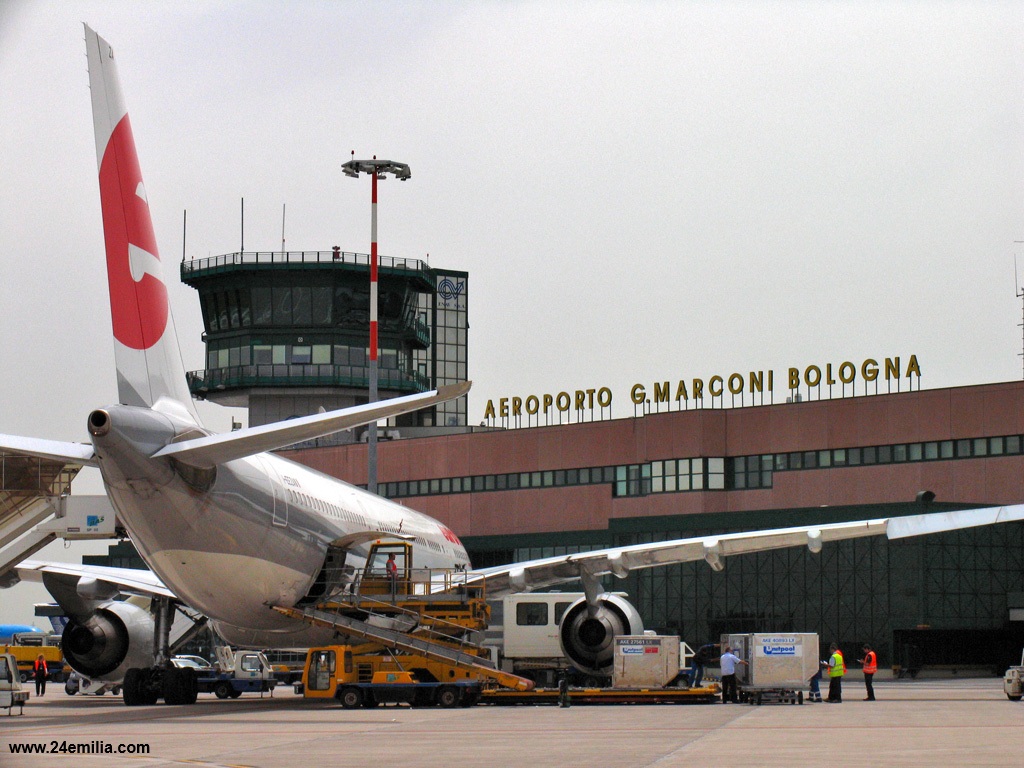
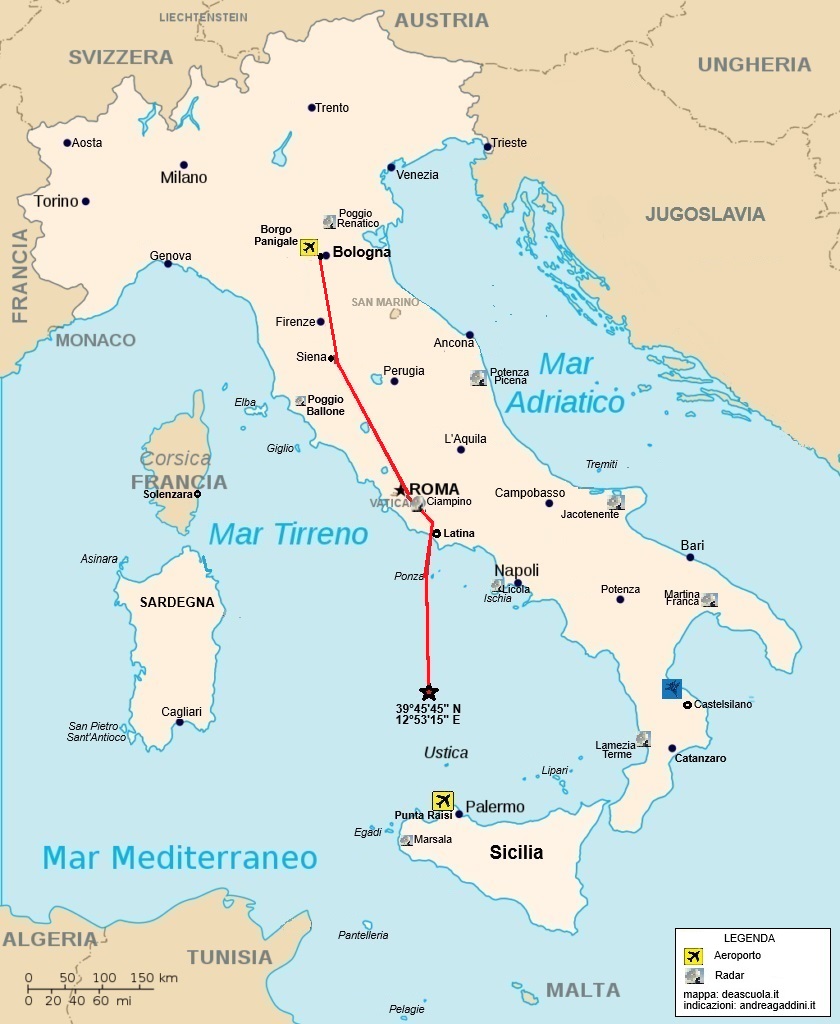
was carrying 81 people from Bologna's Guglielmo Marconi Airport to Palermo's
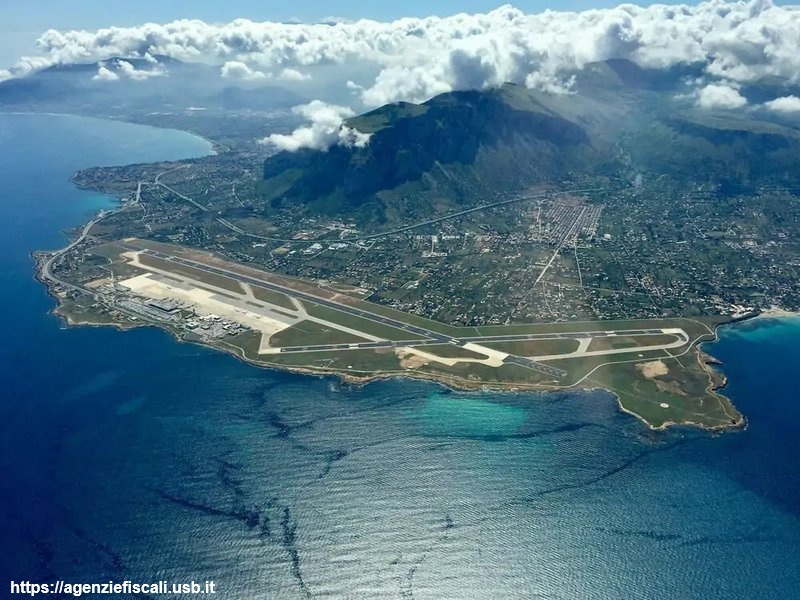
Punta
Raisi Airport
(now named after Falcone and Borsellino).
The flight was scheduled to depart at 6:15 PM and arrive at 9:13
PM, but took off at 8:08 PM, almost two hours later than scheduled,
due to the aircraft's delayed arrival due to bad weather.
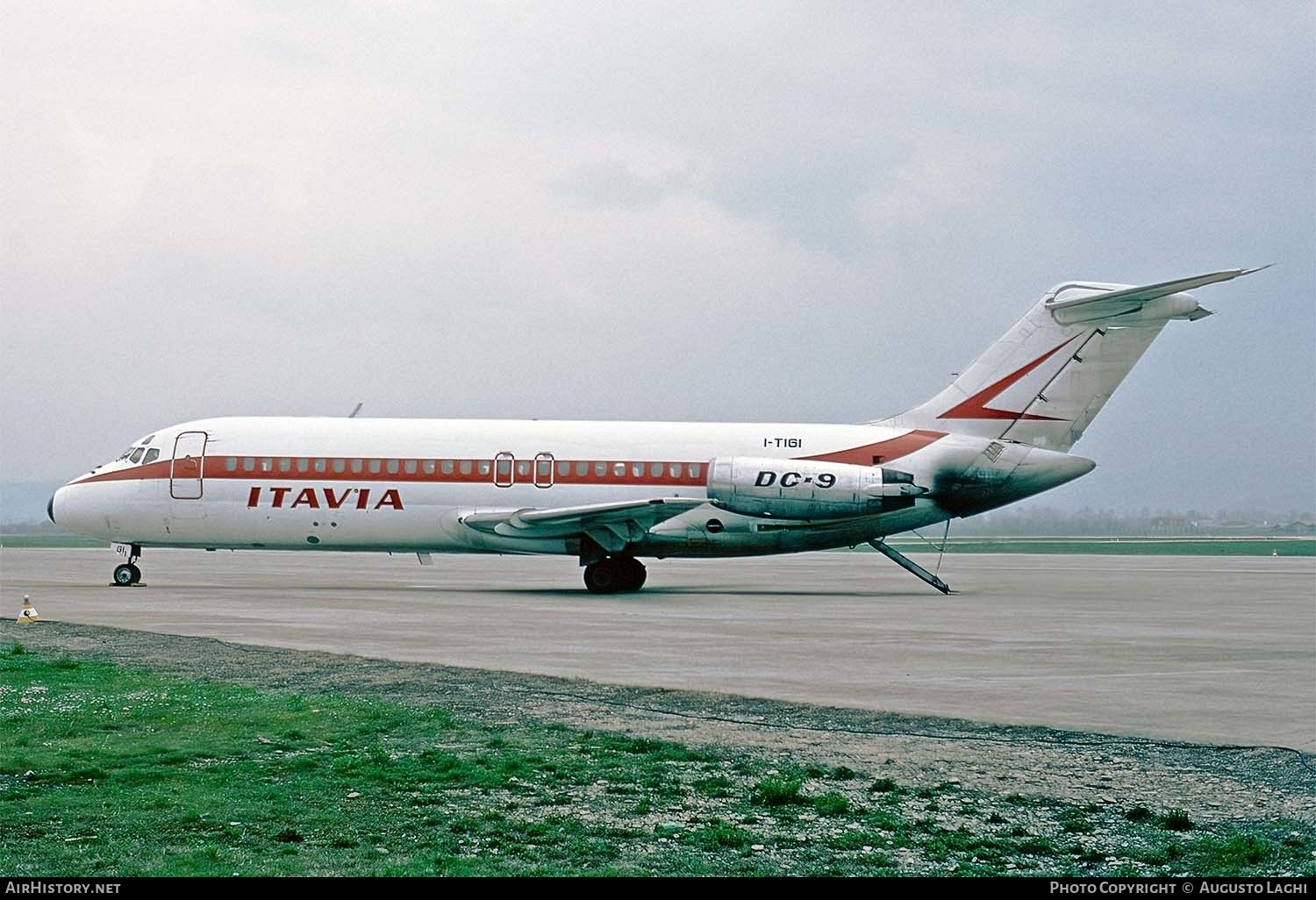
Thus, at 8:59 pm and 45 seconds the plane, a McDonnell Douglas DC-9
registered as I-TIGI, found itself in flight over the Tyrrhenian
Sea (see route), south of the
island of Ponza and north of island of Ustica (39°45'45"N
12°53'45"E), while an air battle was happening, which
caused it to be shot down, killing all those on board, 77 passengers,
including 13 children, and 4 crew members.
Flight IH870's missing replies to calls from Rome Ciampino air
traffic control led to the plane being declared missing at 11:50
PM. A search began, but it did not yield results until early morning.
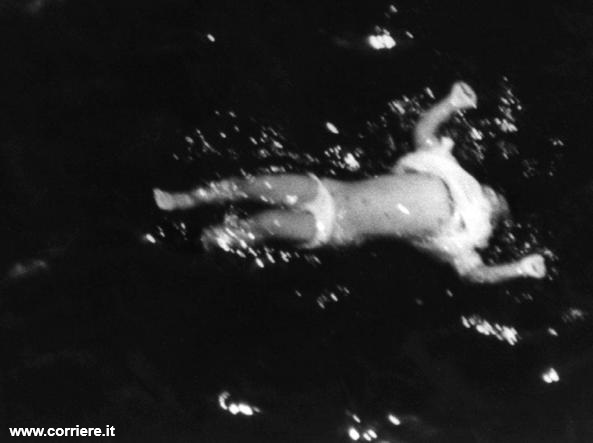
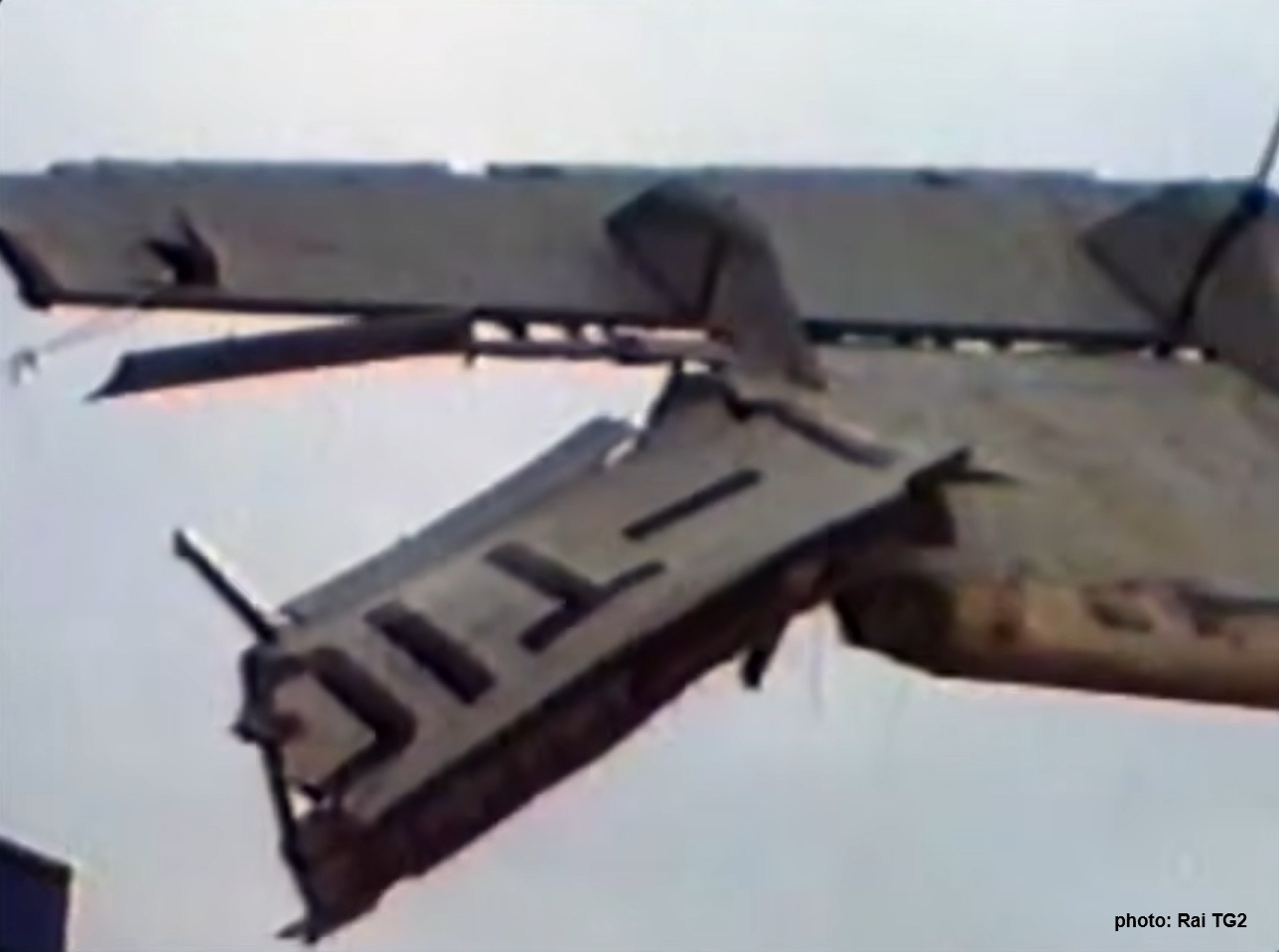
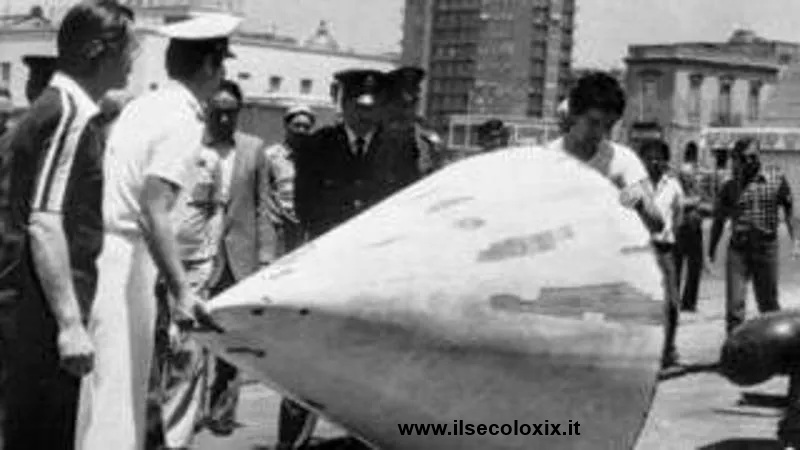
Only a few bodies (thirty-nine
were eventually recovered), objects, and debris from the plane
were floating in the sea, so it was immediately clear that there were
no survivors, and the first hypotheses arose as to the cause of
the disaster.


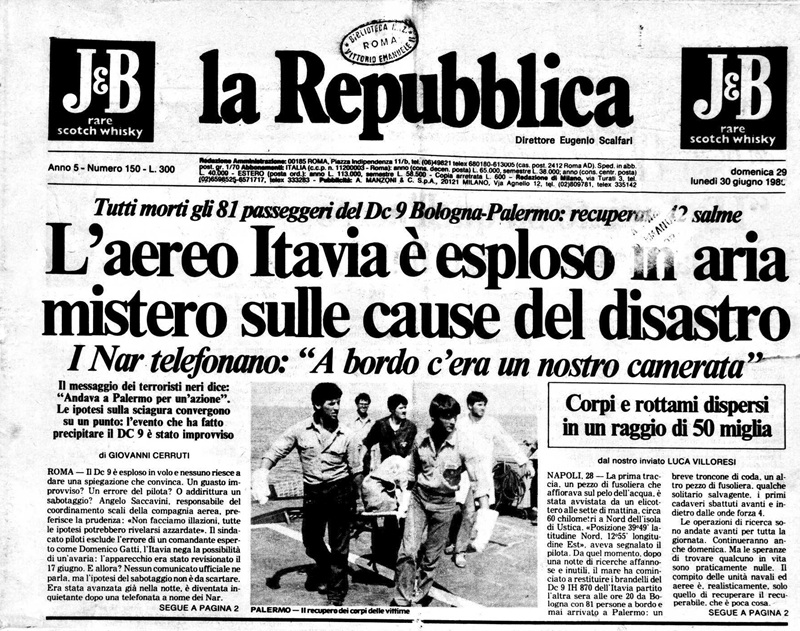
The investigation
into the causes of the disaster
Many control center recordings on the night of the disaster and
numerous subsequent testimonies demonstrate that within the Air
Force, it was well understood what had happened, and a clear need
to cover up the facts and responsibilities arose, even through
threats.
Those who knew full well what had happened first pushed the "structural
failure" theory, claiming that the plane had "broken
apart" on its own due to its fragility. In fact, however,
the aircraft had been completely inspected one month before the
disaster.
This theory did not help identify the causes of the massacre,
but it was of help to cause the bankruptcy of the already failing
airline Itavia. In 2018, the Italian Court of Cassation ordered
the Ministry of Infrastructure and Transport and the Ministry
of Defense to compensate the heirs of the airline's owner for
the financial ruin it faced after the Ustica air disaster, due
to the failure to monitor flight operations on the evening of
the accident, which had contributed to cause the disaster.
After the "structural failure," the theory of
a terrorist attack was advanced, based on the discovery of traces
of T4 and TNT on some of the artifacts. A bomb was allegedly carried
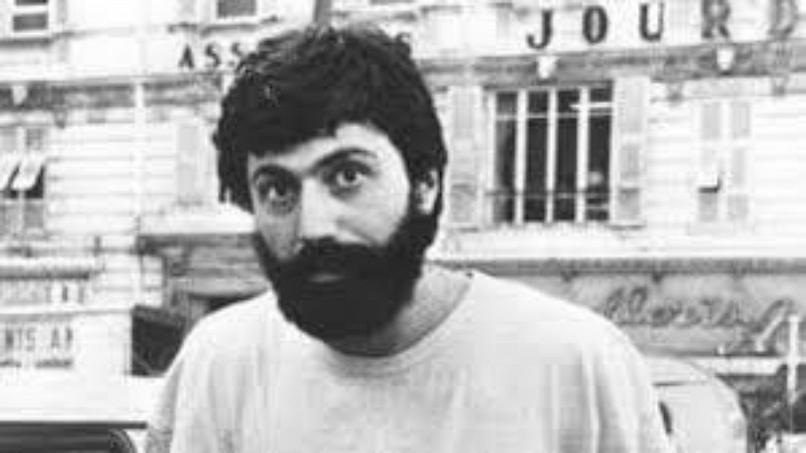
on board, and according to a phone call to the newspaper Il Corriere
della Sera the day after the massacre, fascist terrorist Marco
Affatigato
("our comrade") was even among the victims (he
actually died almost 45 years later, on April 12th, 2025).
The entrance holes of the metal shrapnel into the fuselage made
it clear right from the beginning that the shrapnel had come from
outside the fuselage, hence from a missile, and not from inside
the fuselage, hence from a bomb. This was confirmed by the foreign
metal fragments in the wreck and in the bodies of the victims,
and by the fact that most of the plane's windows were intact.
In spite of this, the right-wing press, military leaders and politicians,
both Italian and foreign, firmly supported the theory of an attack
perpetrated by fascists or Arab terrorists.
The investigation was further hampered by the blatant omertà
of Italian, American, and French military authorities, who theoretically
should have controlled the Italian skies on the night of June
27th, 1980, but instead
placed countless obstacles, effectively thwarting a thorough investigation.
A case in point is what happened with the AM radar center in Marsala,
Sicily, a crucial location, which failed to provide recordings
for the minutes of the incident due to a supposed technical exercise,
which would have required air traffic controllers to monitor fictitious
air traffic at that very moment. During the investigation, however,
not a single controller could be found who remembered participating
in the exercise, and furthermore, the page of the radar center's
log relating to the night of the massacre had been carefully cut
out and then rewritten on the next sheet.
Wreck
recovery
Some debris from the DC-9 and thirty-nine bodies were recovered
immediately after the accident; the remainder sank in the Tyrrhenian
Sea at a depth of around 3,700 meters (around 12,000 ft).
On June 10th, 1987, Ifremer
(Institut français de recherche pour l'exploitation
de la mer, French Institute for Marine Exploitation) began
operations to recover the wreckage of the DC-9. The recovery was
incomplete and concluded in May 1988, sparking controversy over
Ifremer's ties to the French intelligence services, and therefore
to the state possibly responsible for the shooting down.
On July 19th, 1991, the British
company Wimpol (since 1990 Wimpey Environmental International
Ltd), entrusted with completing the recovery, brought the black
box to the surface.
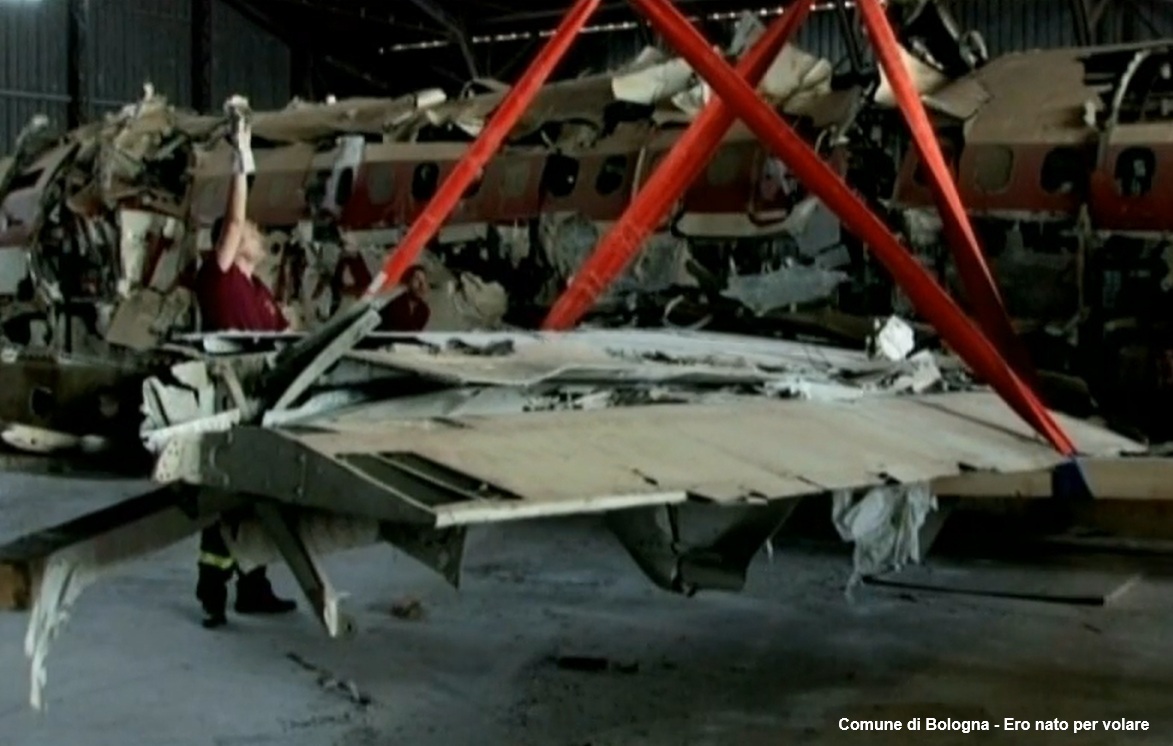
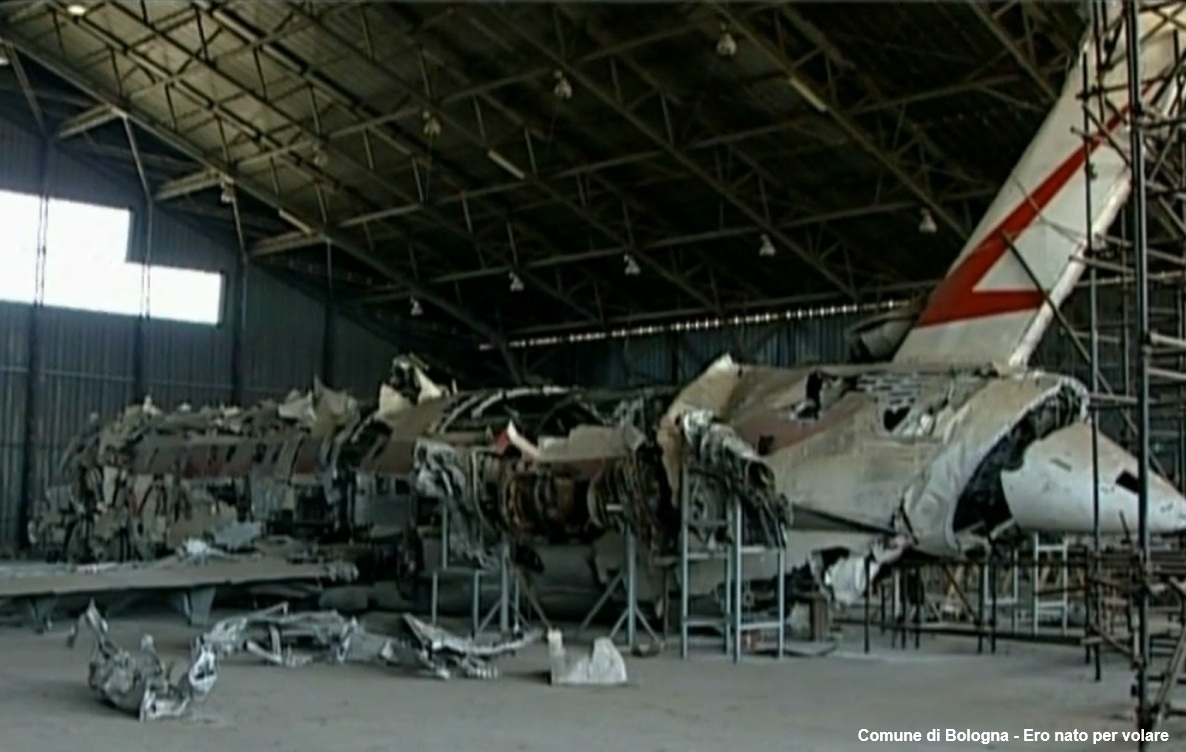
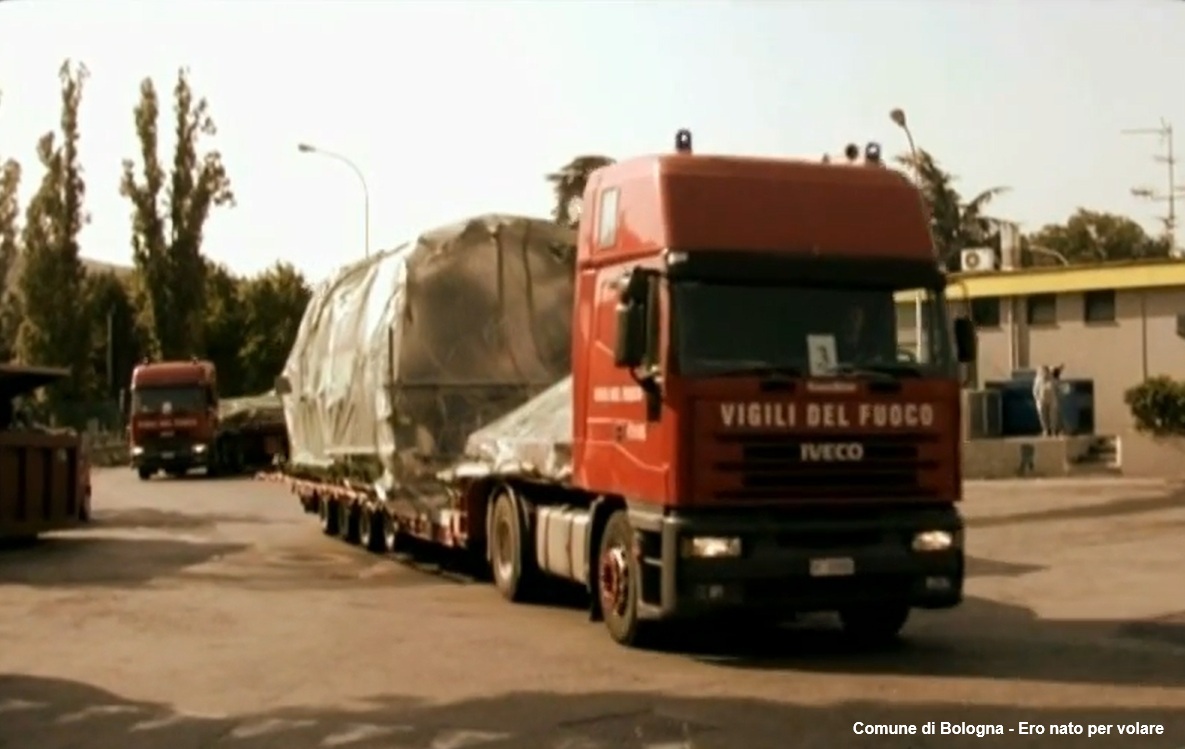
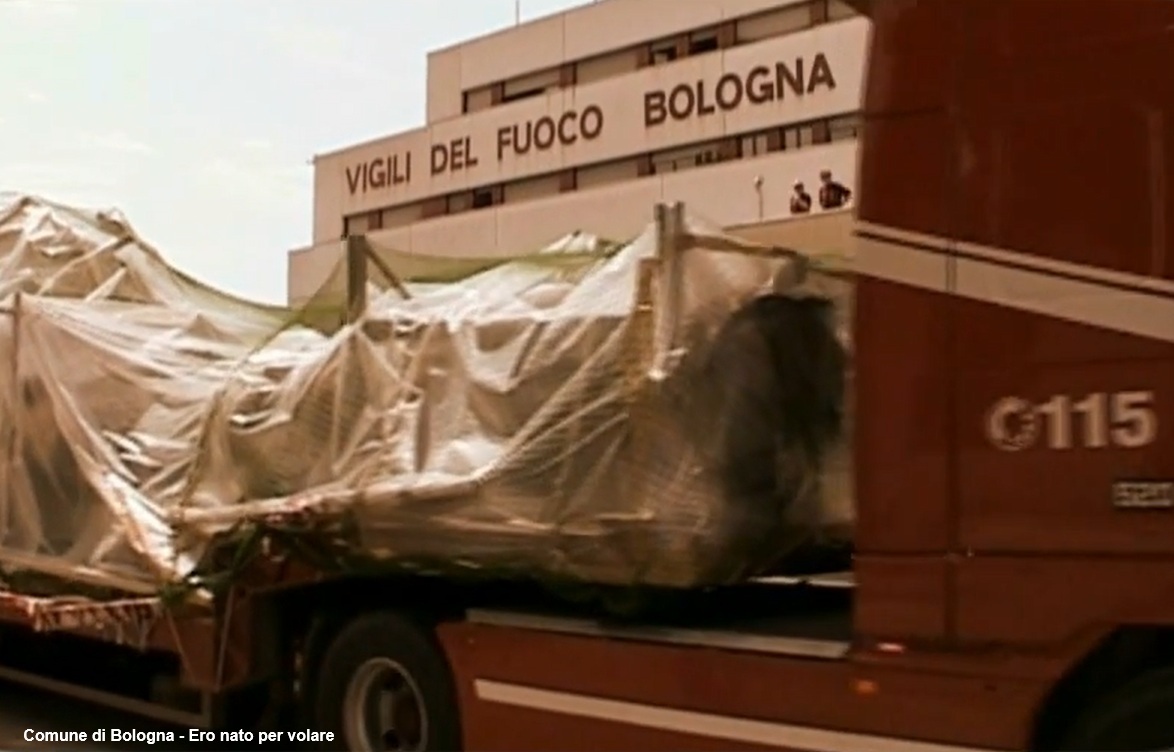
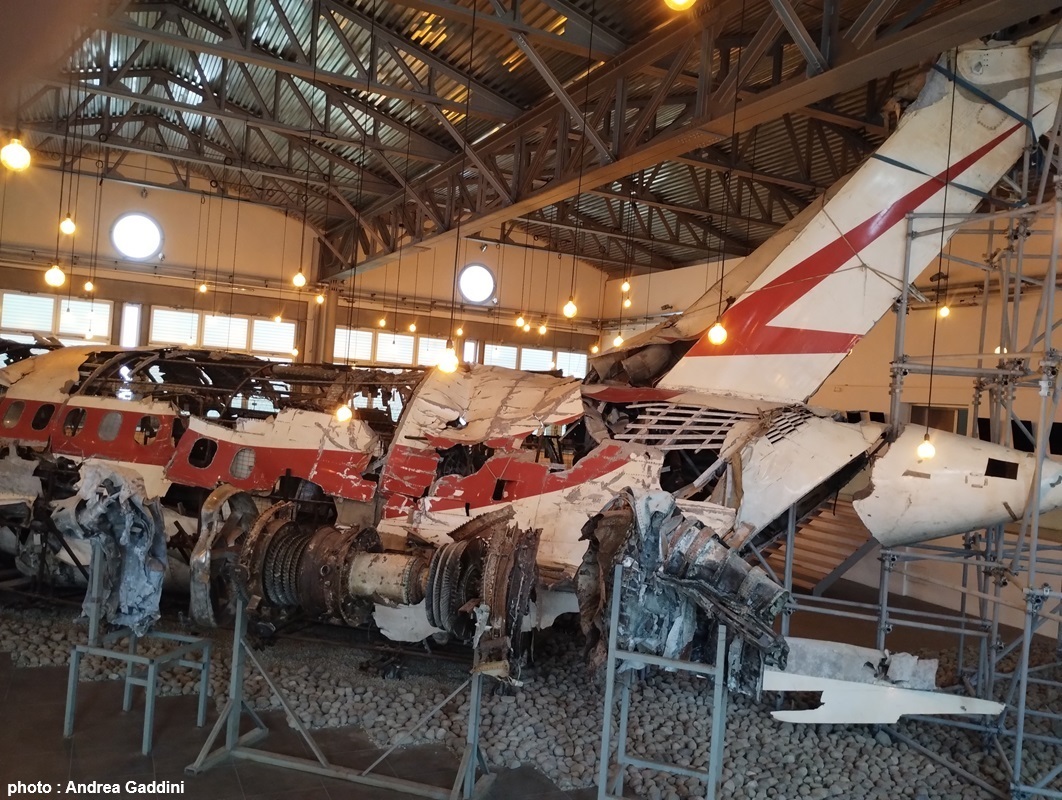
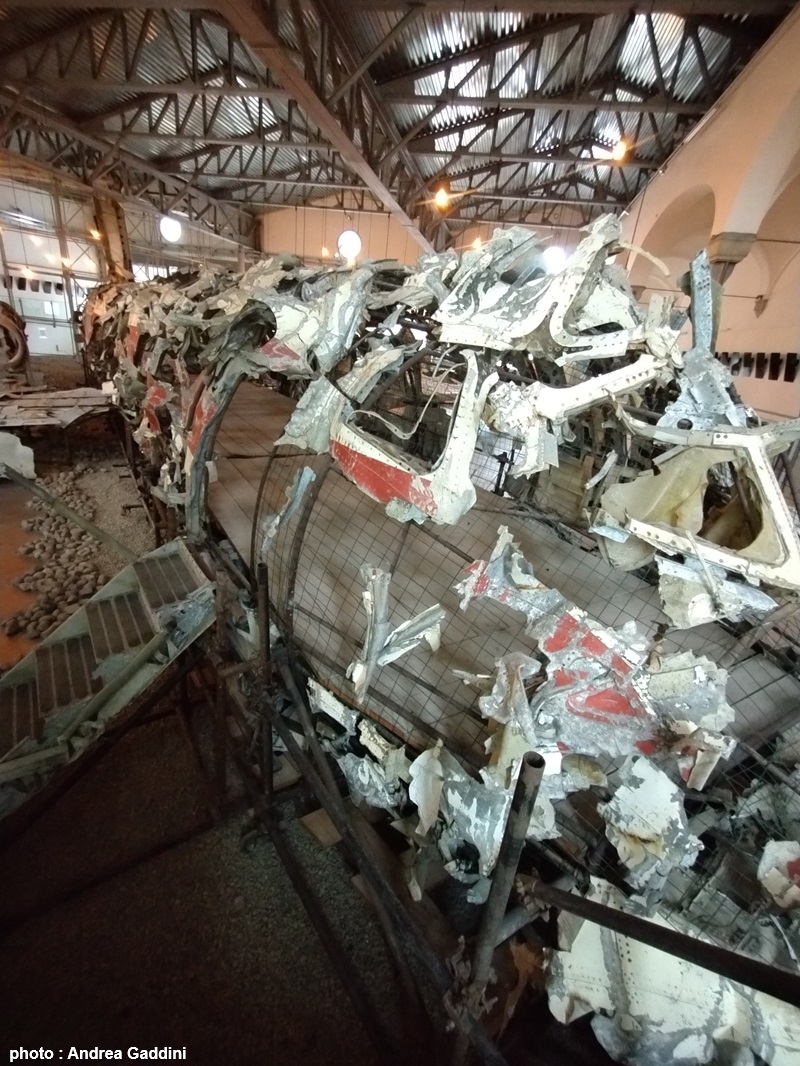
The recovered parts of the plane, 96% of the total, were reassembled
in a hangar at the Pratica
di Mare military airport, near Rome, where they remained until
June 5th, 2006, when they
were transferred, thanks to the
Fire
Brigade,
to the new memorial museum, created in Bologna (see below).
The rubber
wall
The glaring inconsistencies in the judicial and journalistic investigations
prompted several journalists to seriously investigate the causes
of the Ustica massacre.
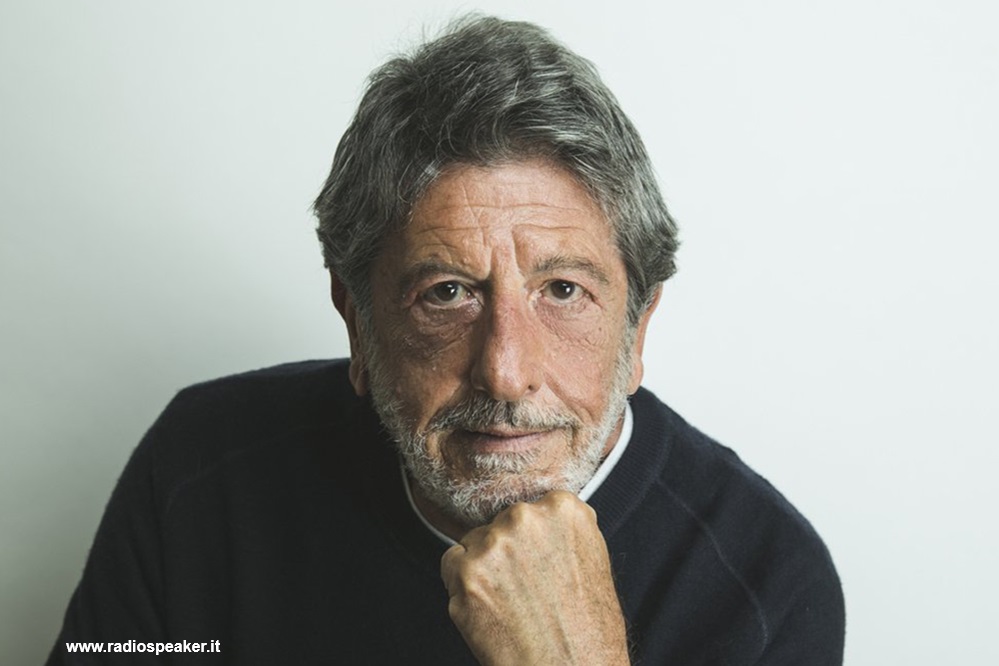
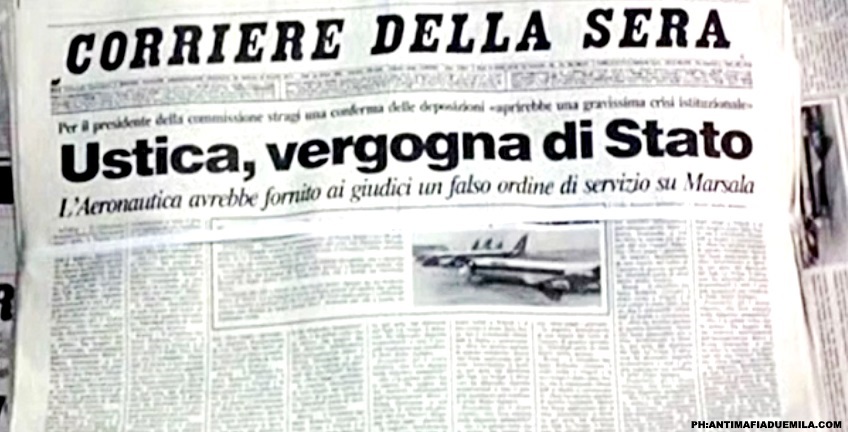
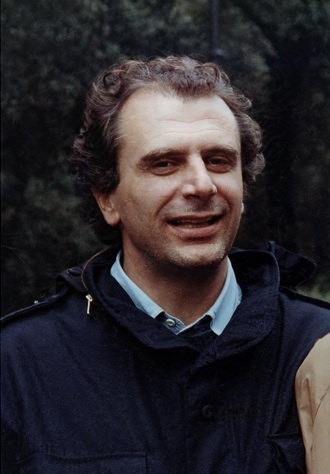
Among them Andrea
Purgatori
(1953-2023) wrote a series
of articles for the newspaper
Il Corriere della Sera that showed the contradictions of
the theories of structural failure (in 1984) and then of that
of the bomb, which were hotly defended by right-wing newspapers,
including Il Tempo.
Over the decades since 1980, many valuable testimonies have been
lost: radar and sound recordings, and even people capable of providing
information on the night of June 27th, 1980, but who died prematurely and suspiciously.
Purgatori clashed against reticence and lies from the Air Force's
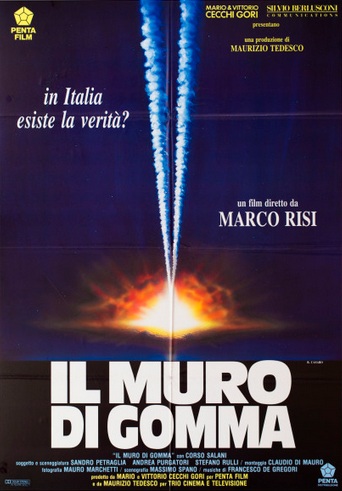
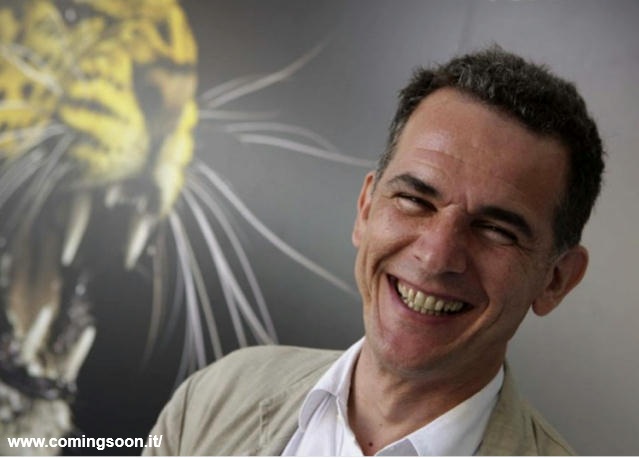
big shots, and in 1991, director Marco Risi made a film, with a screenplay
by Purgatori himself, titled “Il muro di gomma” (The Rubber Wall). The
film centers on the story of a journalist, inspired by Purgatori
himself, and played by Corso Salani, who, while investigating the
Ustica massacre, encounters res herrings and lies, some of them
shoddy, an actual "rubber wall, designed to support convenient
theories about the causes of the tragedy. The most credible theory
finally emerged: that the plane was shot down by mistake by a
French fighter jet, which had taken off from Solenzara airbase
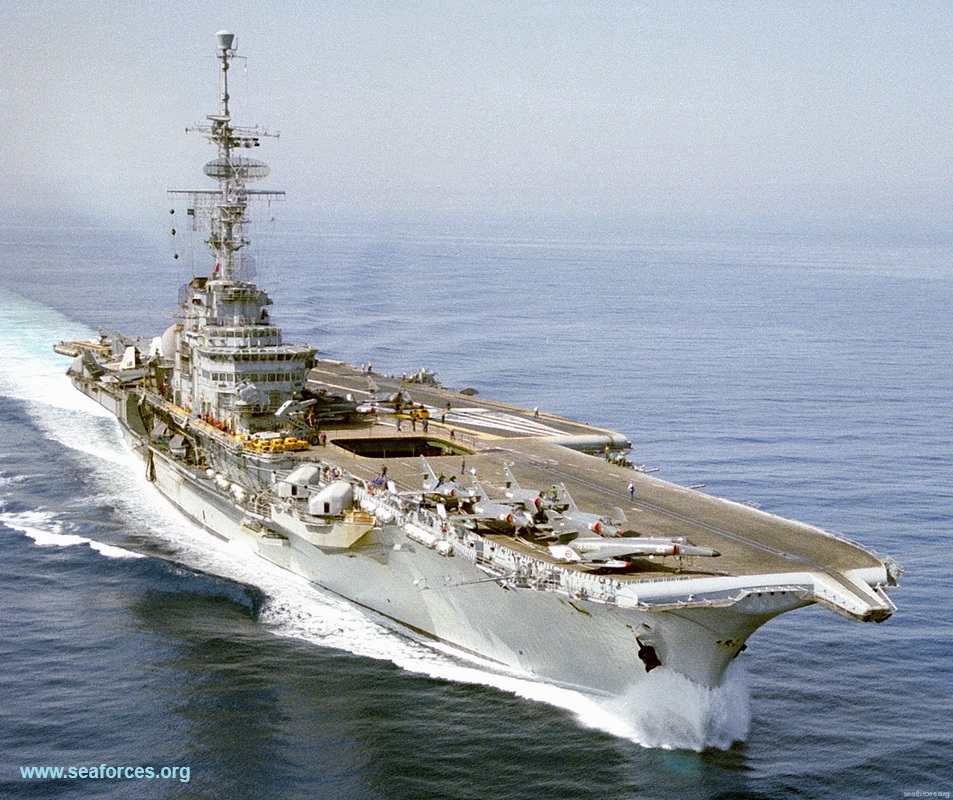
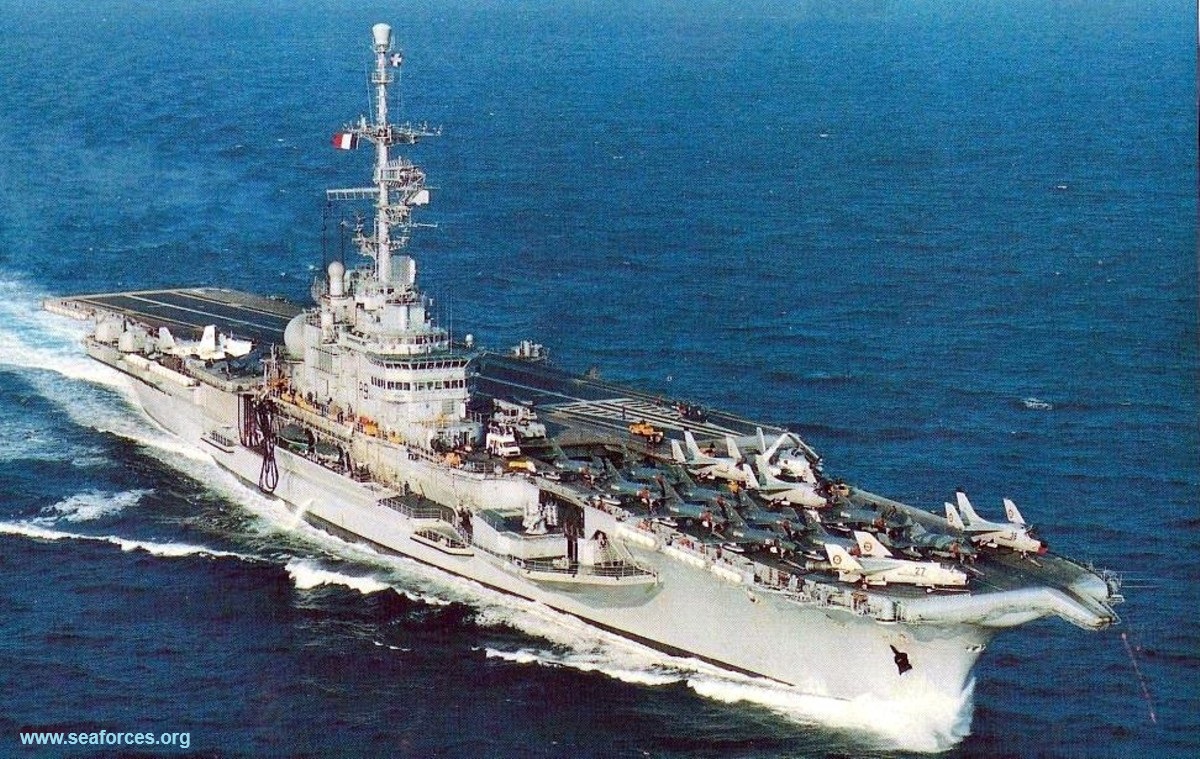
in Corsica or from an aircraft carrier (Foch or Clemenceau), in order to
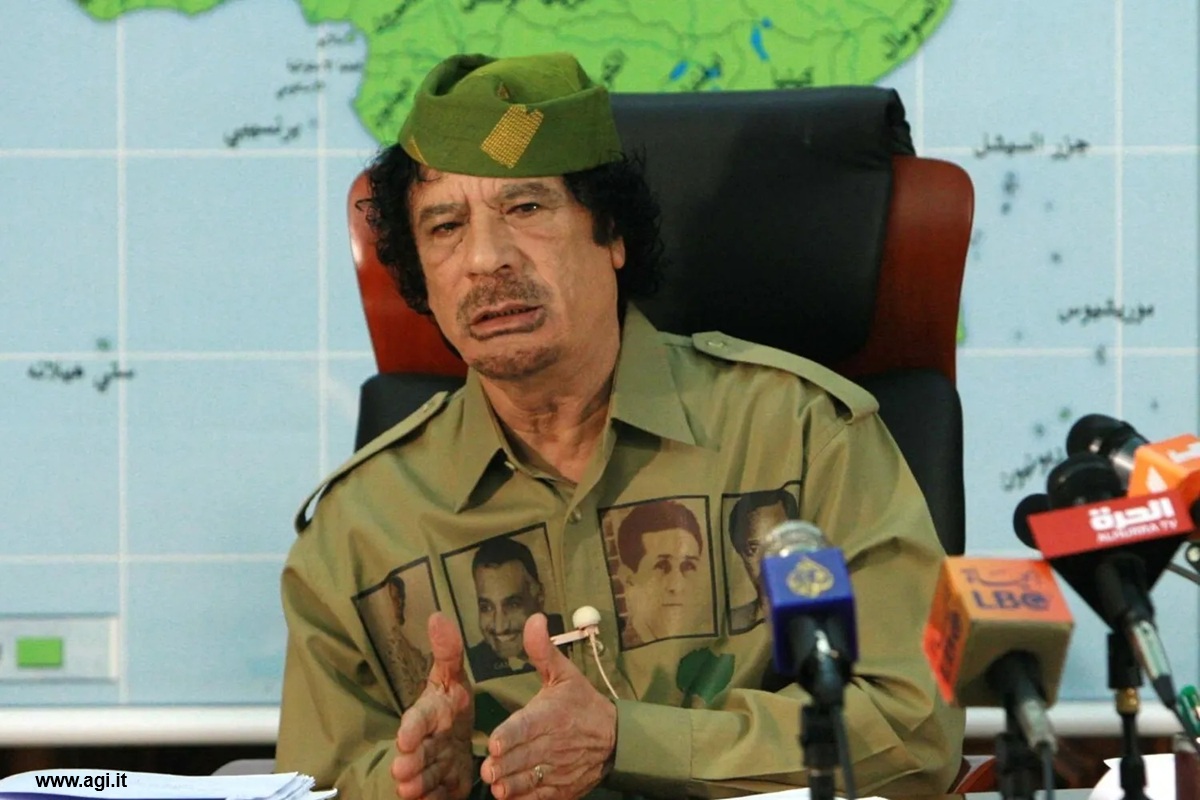
shoot down the plane of Libyan leader Muammar Gaddafi. Gaddafi, however, would have
been warned of the attack and was therefore not on board, as he
was on his way from Tripoli to an Eastern European country or
vice versa.
This hypothesis was confirmed in February 2007 by former President
of the Republic Francesco Cossiga, who was Prime Minister at the
time of the massacre, who reported to the judicial authorities
that he had learned from the Italian secret services that the
Itavia DC 9 had been shot down by an Aéronautique Navale
fighter plane that had taken off from a French aircraft carrier
(according to Cossiga the Clemenceau).

The Libyan
MiG
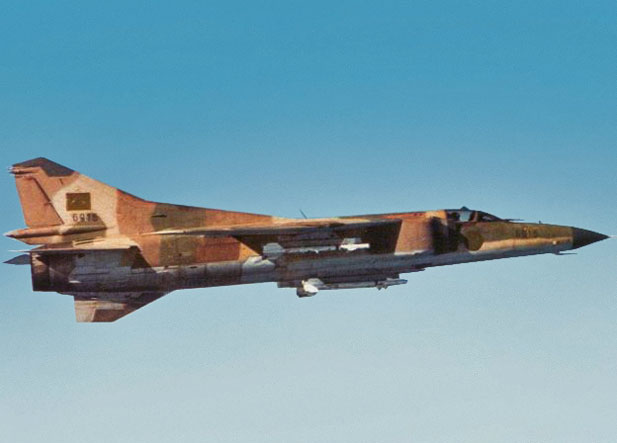
Parallel to the shooting down of the DC9 at Ustica is the mystery
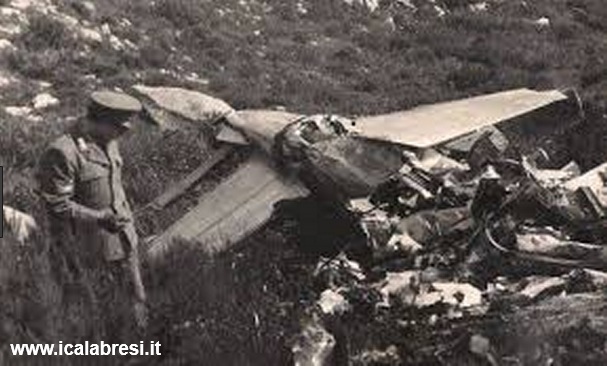
of the Libyan MiG-23MS fighter plane, the wreckage of which was
found in Timpa delle Magare (in the local dialect: "Witches'
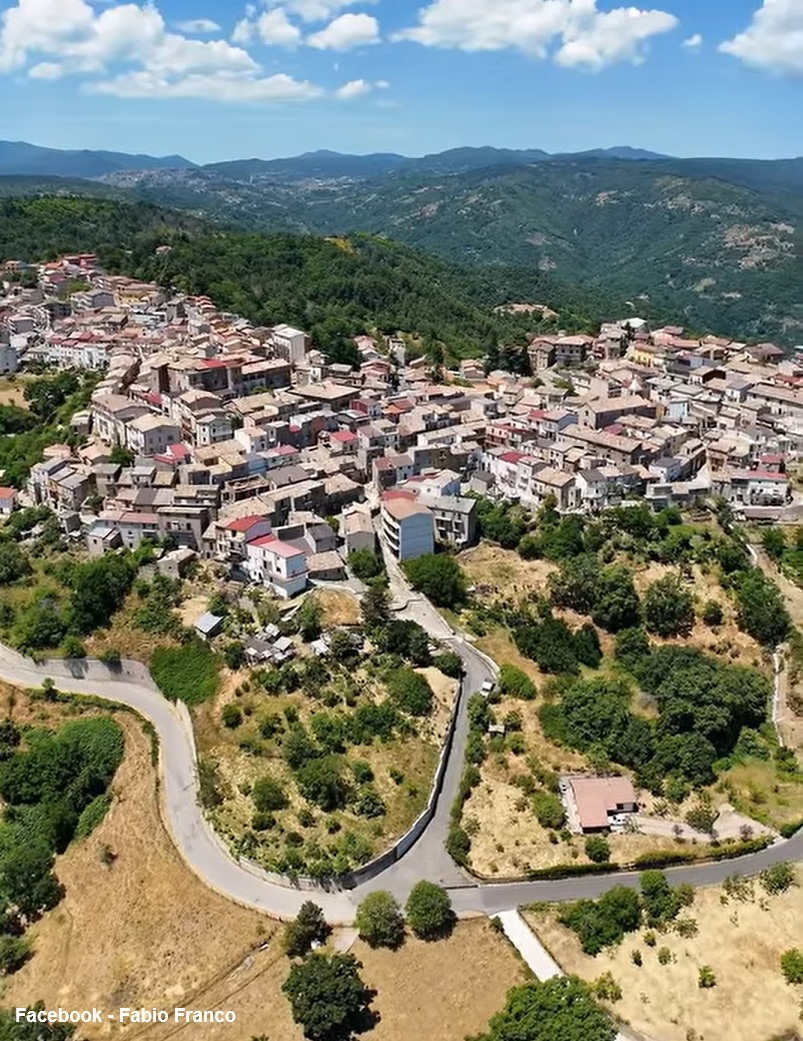
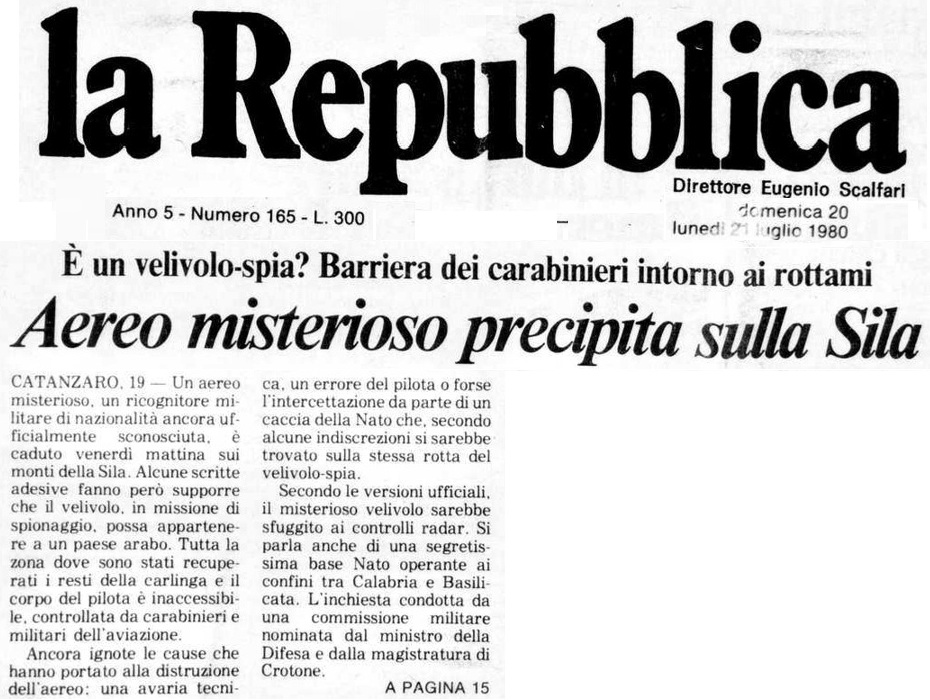
Ravine"), in the Calabrian mountains near Castelsilano, in the Sila
region, officially on July 18th, 1980. It was believed to have been
an escort plane for Gaddafi's aircraft, which was hit by fighters
pursuing him.
Libyan military aircraft were known to intrude into Italian airspace,
due to the need to transfer Soviet-made MiGs and Sukhoi aircraft
to Yugoslavia for maintenance and repairs. It cannot be ruled
out that the shot down Libyan plane was engaged in one of these
transfers.
The Libyan aircraft was a fighter plane, and therefore could not
have been carrying Gaddafi, and it would have taken cover behind
the Itavia DC-9 to escape the French fighters, which would have
fired a missile, which in any case shot down the Itavia plane.
Libya was a country hostile to Italy and NATO, and on the day
of the alleged crash, a large-scale NATO naval exercise was underway
in the Strait of Sicily, so the MiG could not have reached the
Sila Mountains from Libya without being intercepted.
The doctor who performed the necropsy on the body of Captain Ezzedin
Fadah El Khalil, the Libyan pilot, based on the state of decomposition
and the presence of larvae, determined that the death had occurred
approximately three weeks before the discovery, that is, around
the time of the Ustica accident. Various witnesses, including
conscripts, who reported having been sent to guard the wreck starting
from the end of June, and others, including law enforcement officers,
had noted bullet holes in the cockpit, contradicting the official
version, agreed upon with the Libyans, of an accident caused by
the pilot's sudden illness, who subsequently lost control of the
plane.
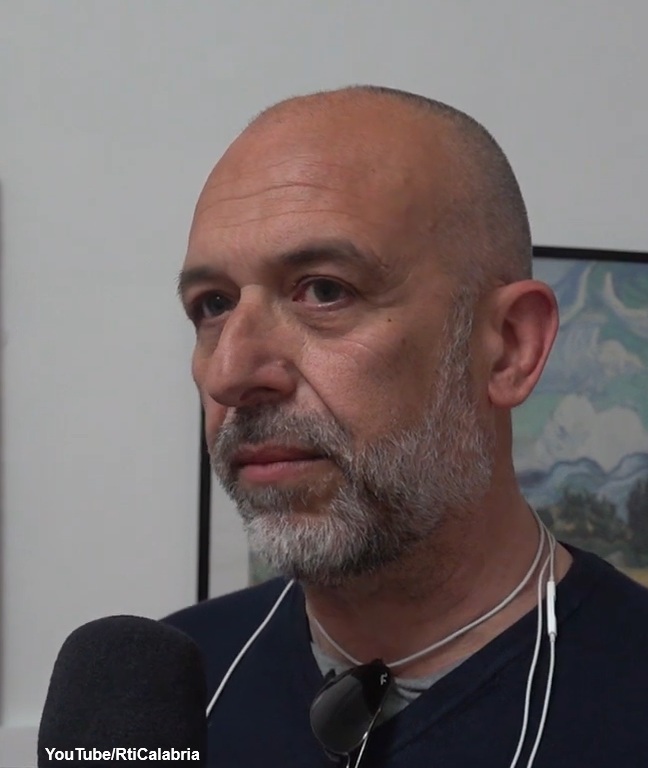
In 2026, Gianfranco
Donadio,
a Calabrian journalist and documentary filmmaker, published a
wide and well-documented podcast about the Castelsilano
MiG and reported several firsthand accounts from local residents
who had seen or heard the MiG crash on June 27th, or at least several days before July 18th, and who had witnessed the militarization
of the town and the area surrounding Timpa delle Magare. He also
reported a "co-pilot psychosis," whereby by late June,
some residents had become convinced that the plane had two crew
members on board, and that one of them had survived and might
be wandering around the crash site, posing a danger.
The trials
The rubber wall referred to in Marco Risi's film worked, and to
this day there is no procedural truth emerging from court rulings,
due to the impossibility of identifying certain responsibilities
sufficient to lead to a verdict. The enormous amount of documentation
collected has nevertheless allowed the courts and the on Parliamentary
inquiry committee on Disasters to clarify the non-existence of
the theories of structural failure and the bomb on board. The
civil rulings that led to the awarding of compensation to the
victims have also confirmed the missile hypothesis.
Ustica
Memorial Museum in Bologna
On June 27th, 2007, the twenty-seventh
anniversary of the massacre, the Museo per la Memoria di Ustica
(Ustica Memorial Museum in Bologna, link to the museum website, in Italian)
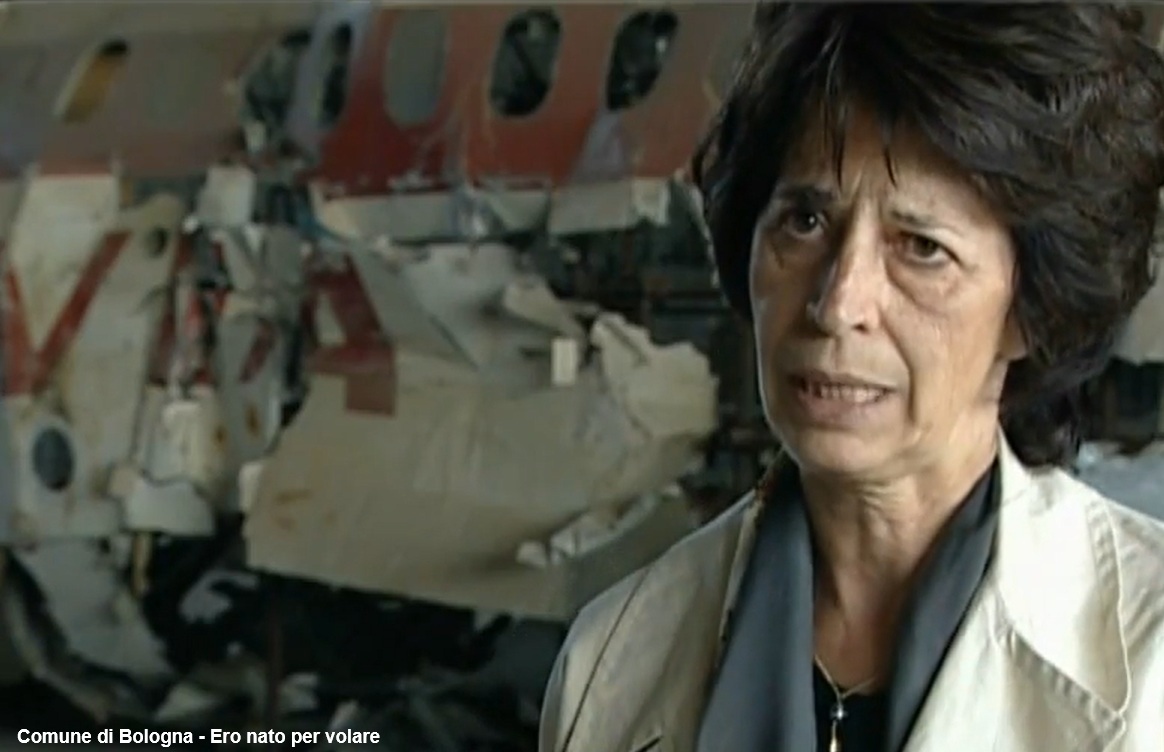
was inaugurated in Bologna, being created mainly by the initiative
of Daria
Bonfietti,
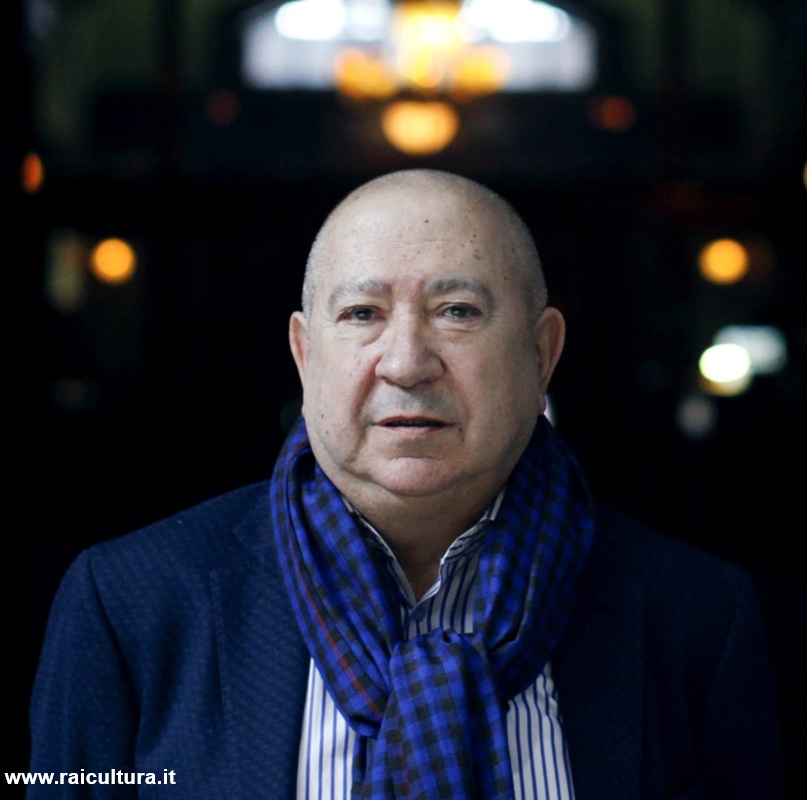
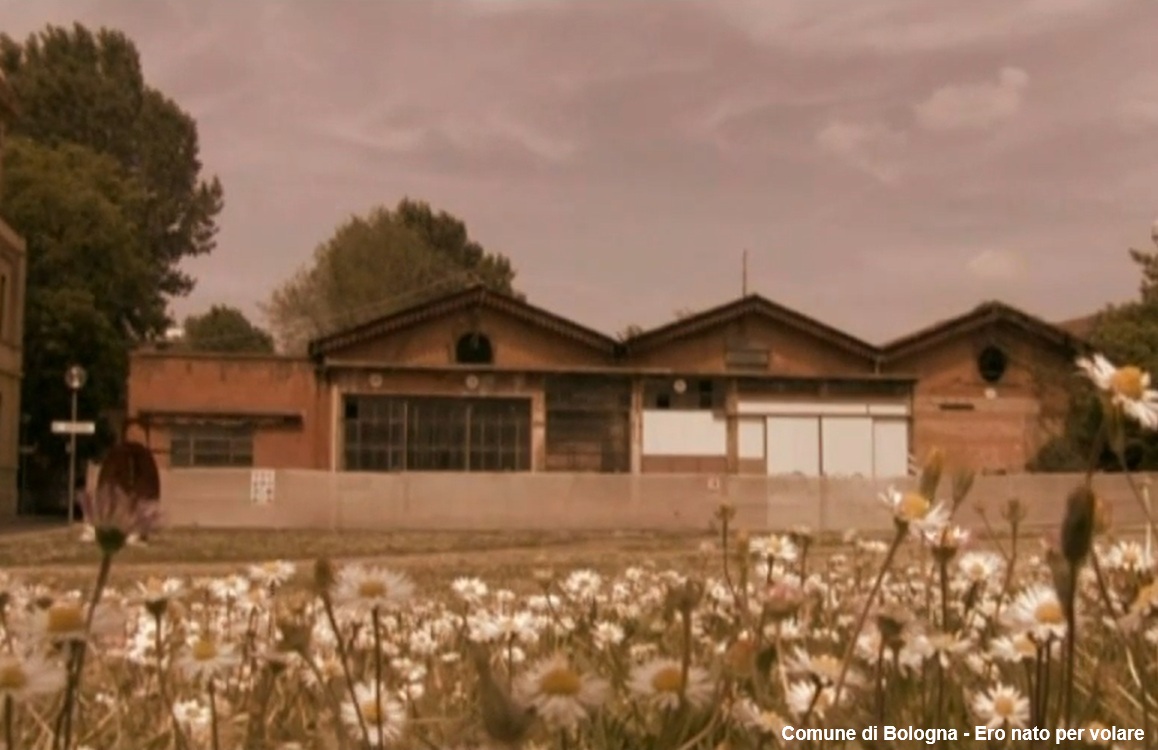
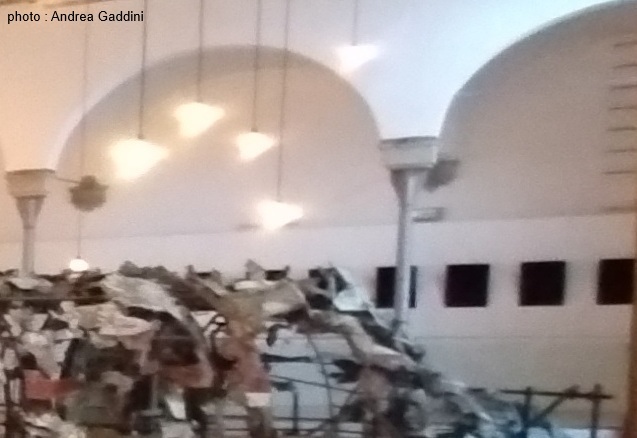
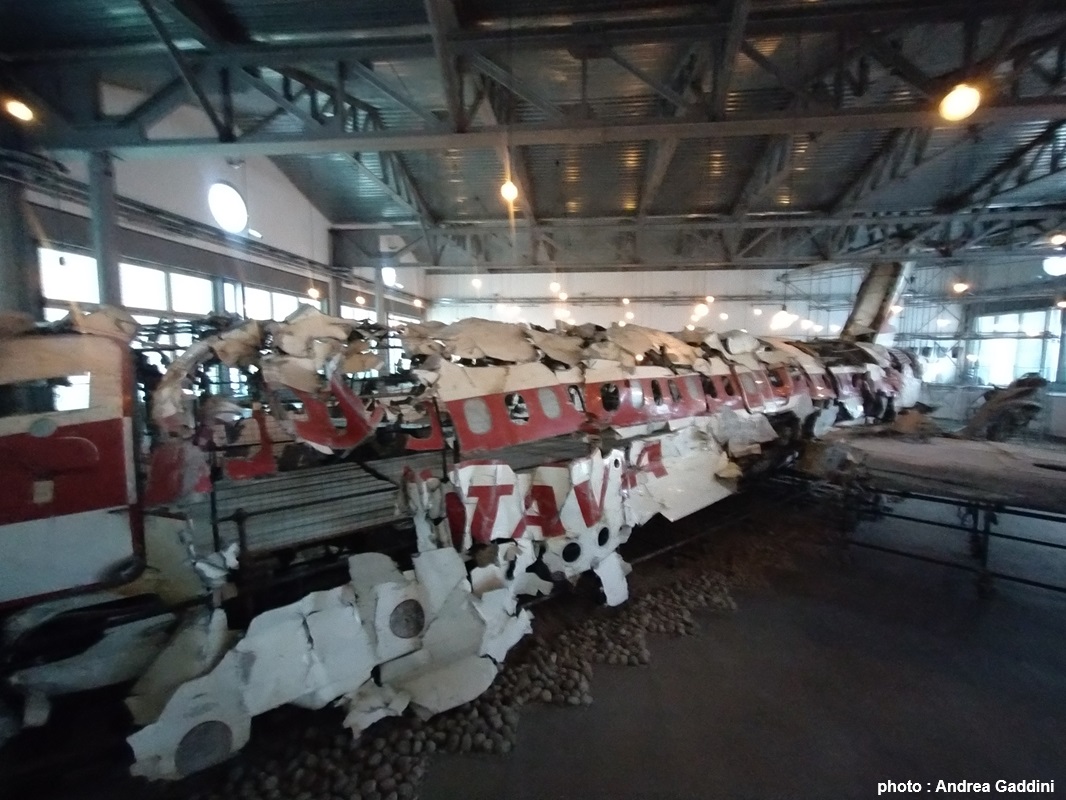
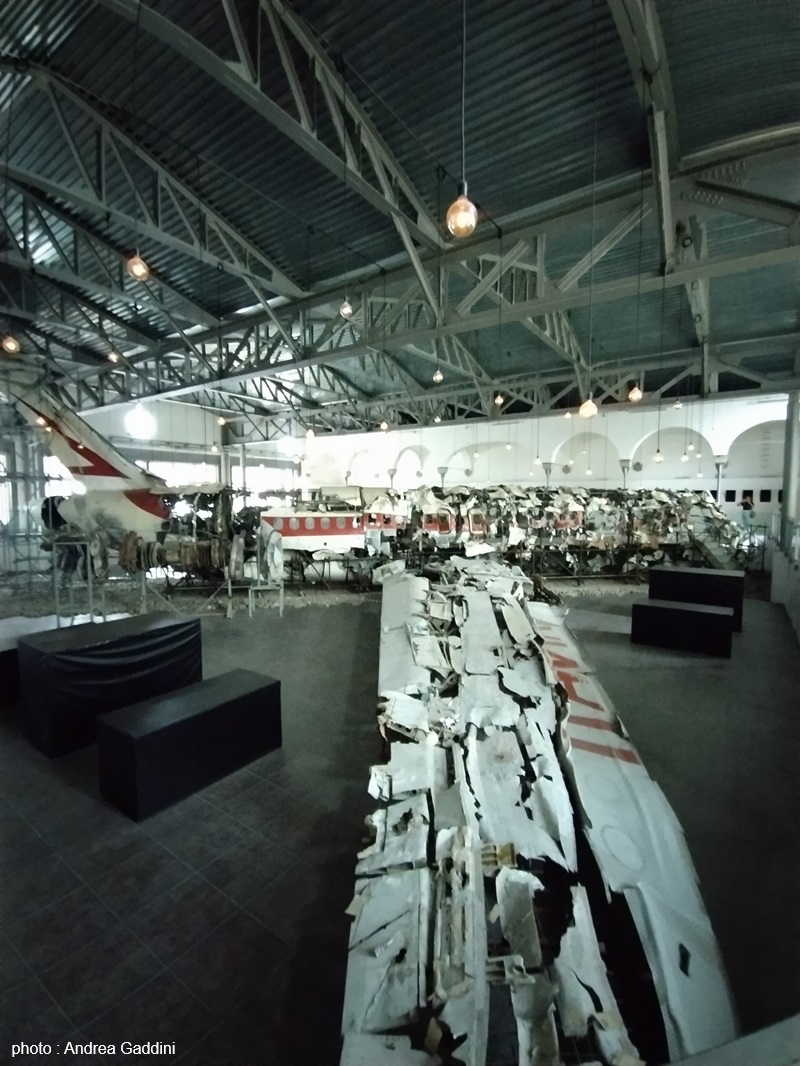
chairwoman of the Association of Victims' Relatives. The permanent
installation by French artist Christian Boltanski (1944-2021), built in an old horse-drawn
tram depot,
around the wreckage of the DC-9, recovered and reconstructed around
a metal
framework
that replicates the plane's structure.
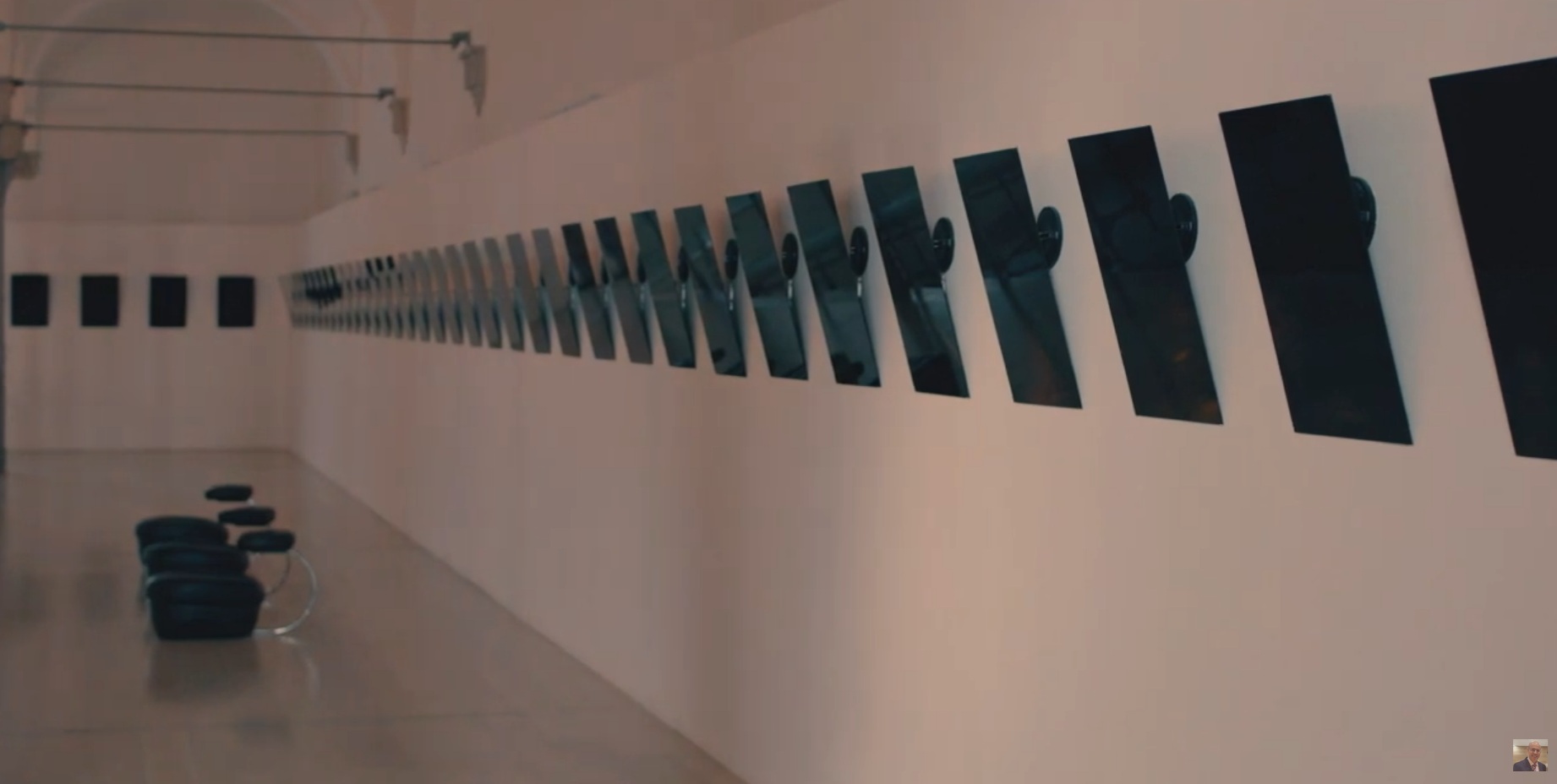
Around the platform where the wreckage lies, a gallery stands, where
81 black
mirrors
are placed, each with a speaker that repeats whispered phrases,
recorded by imagining what each passenger might have thought during
the flight, based on their personal stories, age, and purpose
for travel.
Furthermore, 81
light bulbs
of varying sizes and positions hang from the museum's ceiling,
gently turning on and off all at once, in rhythm with a breath.
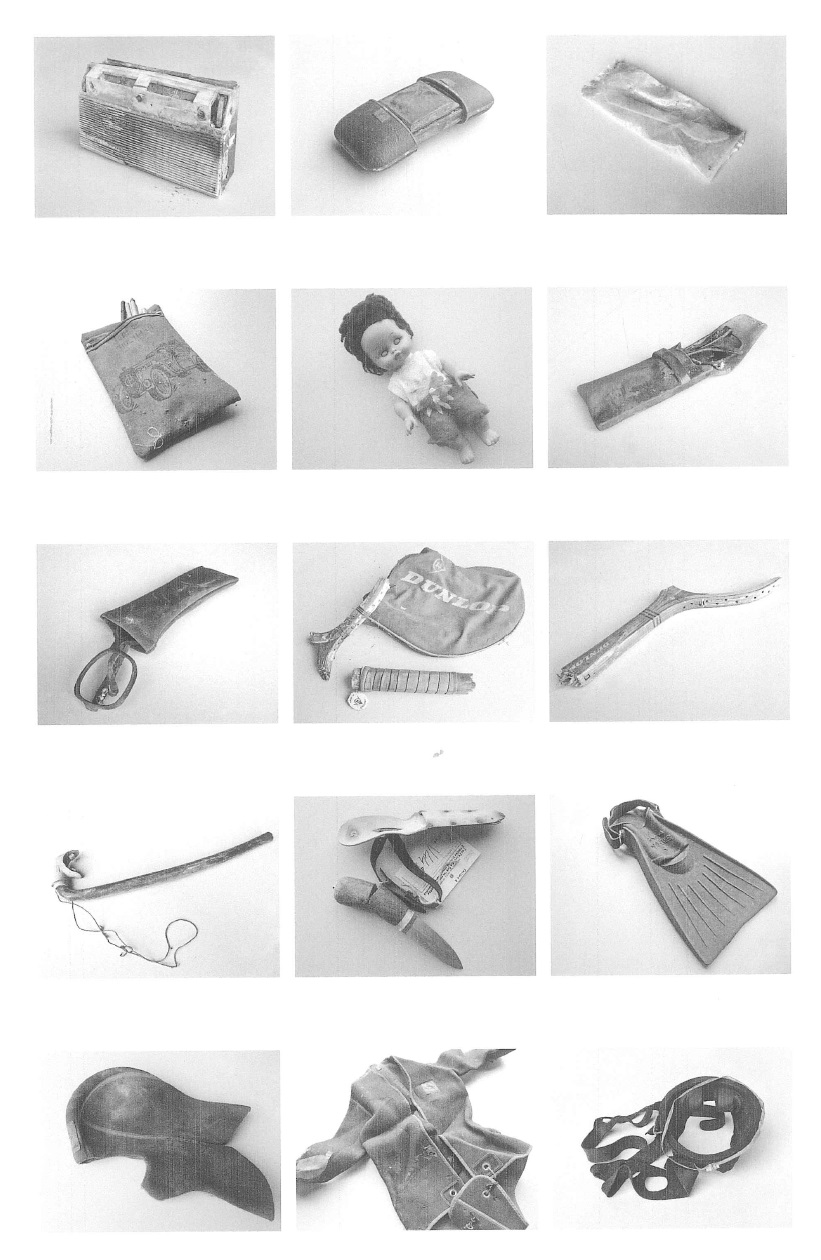
Around the wreckage nine large black boxes are placed, containing
dozens of personal
items
belonging to the victims: shoes, flippers, snorkels, goggles,
and clothing, which are invisible to visitors, but photos of which
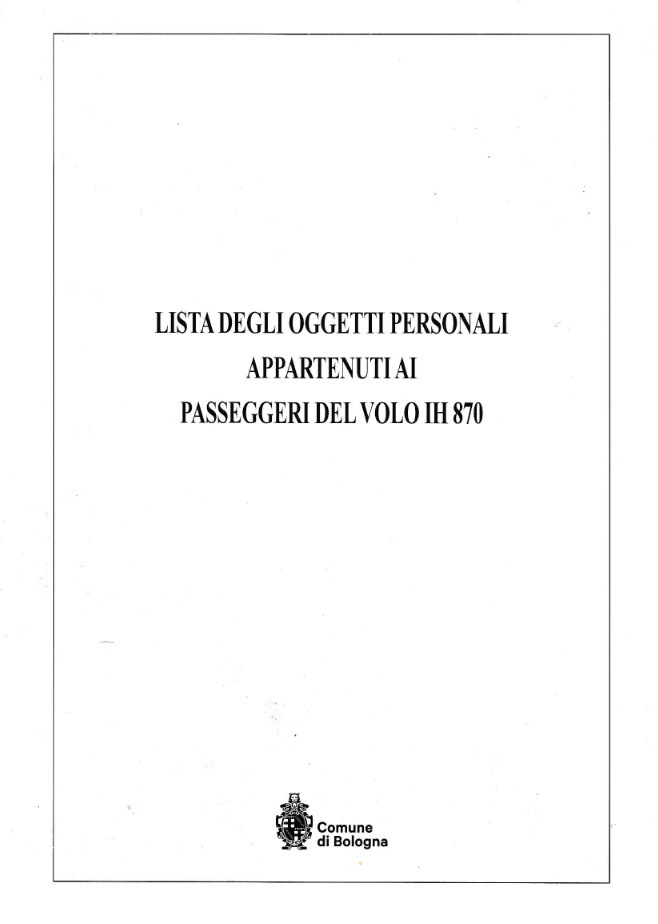
were included by Boltanski in the “Lista
degli oggetti personali appartenuti ai passeggeri del volo IH
870”
("List of personal items belonging to the passengers of flight
IH 870.")
More memory
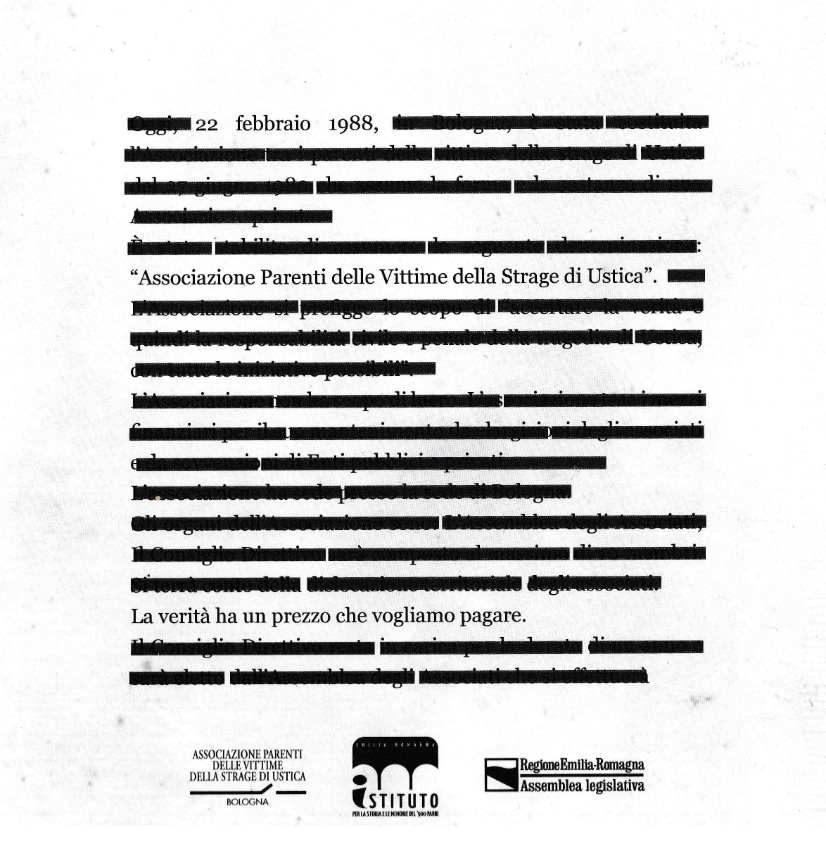
In 2020, the Association of Victims' Relatives published the book "La verità
ha un prezzo che vogliamo pagare" ("The Truth
Has a Price We Want to Pay,") which retraces the events
of the Ustica affair and the history of the relatives' association
in chronological order.
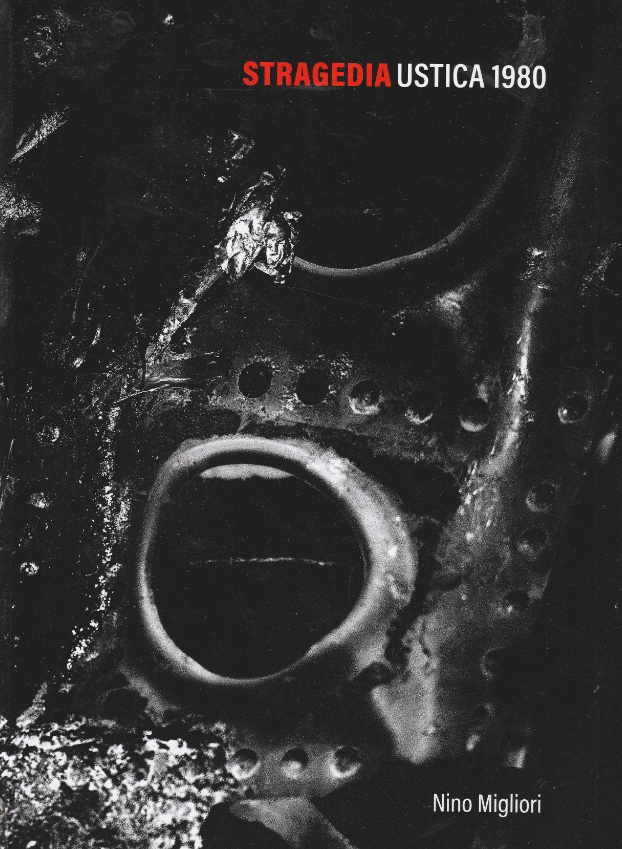
That same year, the photography book "Stragedia Ustica 1980"
("The Ustica 1980 Massacre") was published, containing
81 photos (as many as the victims) by Bologna photographer Nino Migliori (1926-), taken in 2007
by candlelight, capturing details of the DC9 wreckage while it
was being set up in Bologna.
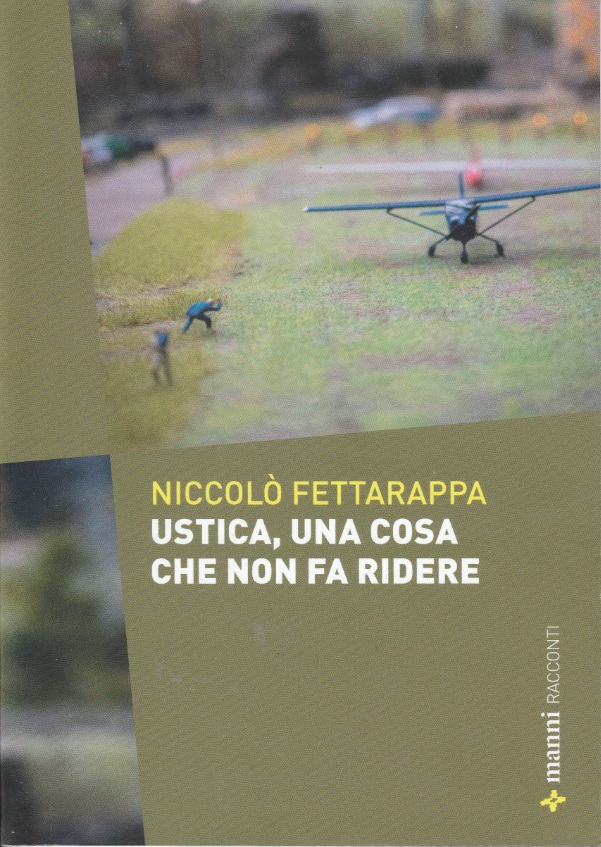
In 2026, publisher Piero Manni issued a book of poetry by Niccolò
Fettarappa entitled "Ustica, una cosa che non fa ridere" ("Ustica,
something that doesn't make you laugh").
BIBLIOGRAPHY
Associazione
Parenti delle Vittime della Strage di Ustica (2020) La verità
ha un prezzo che vogliamo pagare. Officina Immagine, Bologna,
Italy. cover
Comune di Bologna Lista degli oggetti personali appartenuti ai
passeggeri del volo IH 870. Museo per la Memoria di Ustica,
Bologna, Italy. cover
FETTARAPPA Niccolò (2026) Ustica, una cosa che non fa ridere.
Piero Manni S.r.l., San Cesario di Lecce. cover
MIGLIORI Nino (2020) Stragedia Ustica 1980. Istituzione Bologna
Musei. MAMbo - Museo d'Arte Moderna di Bologna, Italy. cover
WEBSITES
VISITED
https://www.noidellitavia.it
https://www.stragi80.it
Wikipedia_Strage
di Ustica
VIDEOS
(In Italian)
Atlantide - Ustica, l'ultimo miglio. Andrea Purgatori, La7 link.
Ero nato per volare - Museo per le Vittime di Ustica link.
I TIGI Canto per Ustica (2000) Marco Paolini. Bologna Piazza S
Stefano link.
Sila, l'ombra del MiG, by Gianfranco Donadio. LaC News
link.
Luci per Ustica (2023) Luciano Manuzzi, Rai 3 link.
Speciale Ustica: una breccia nel muro (2024) Massimo Giletti,
Rai 3 link.



 page
created: June
14th, 2026 and last updated: August 23rd, 2026
page
created: June
14th, 2026 and last updated: August 23rd, 2026